
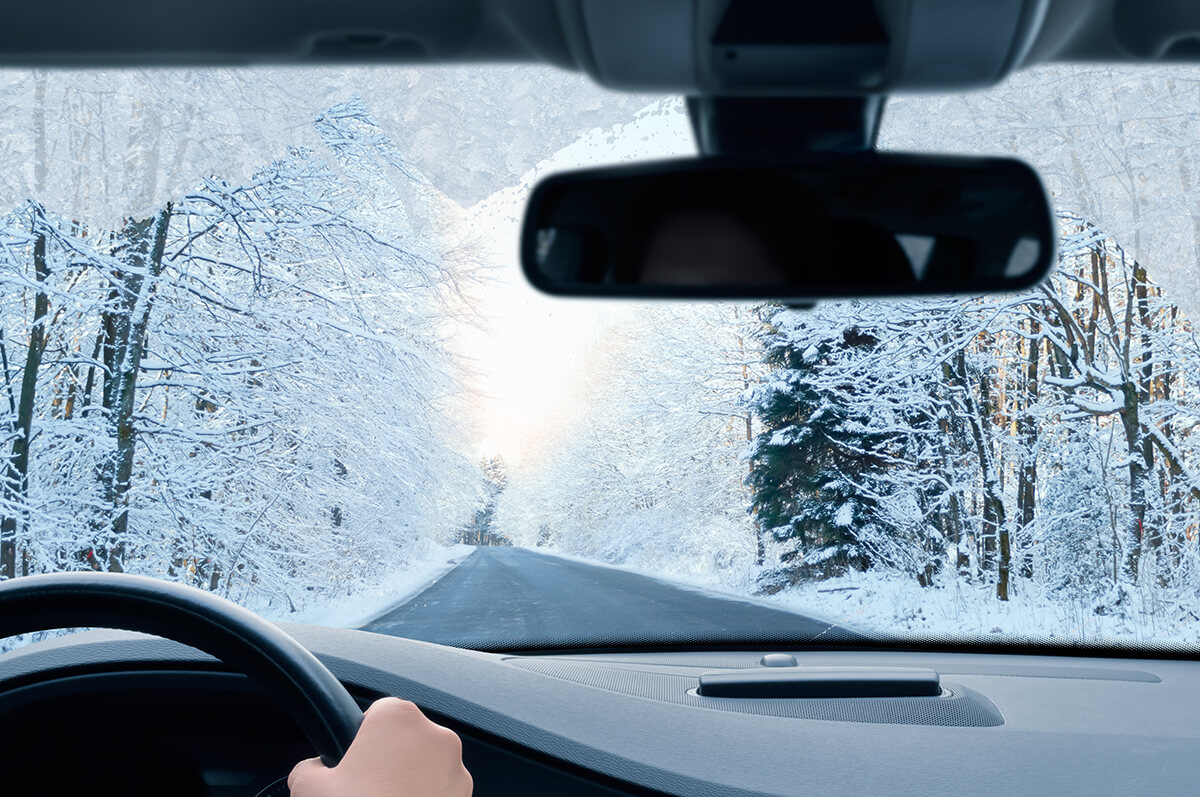
Winter driving in Canada brings unique challenges, from icy roads and reduced visibility to longer stopping distances and sudden weather changes. Whether you’re commuting to work, running errands, or heading out on a longer trip, being prepared can significantly reduce your risk of an accident. By taking a few simple precautions and adjusting your driving habits, you can stay safer on the road throughout the winter season. The following winter driving safety tips are designed to help protect you, your passengers, and everyone else sharing the road.
Be Prepared for Breakdowns Before They Happen
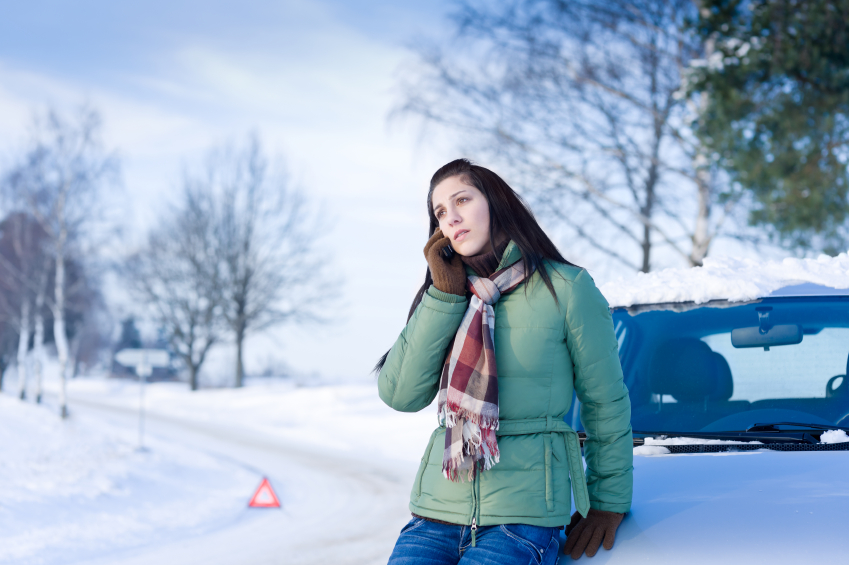
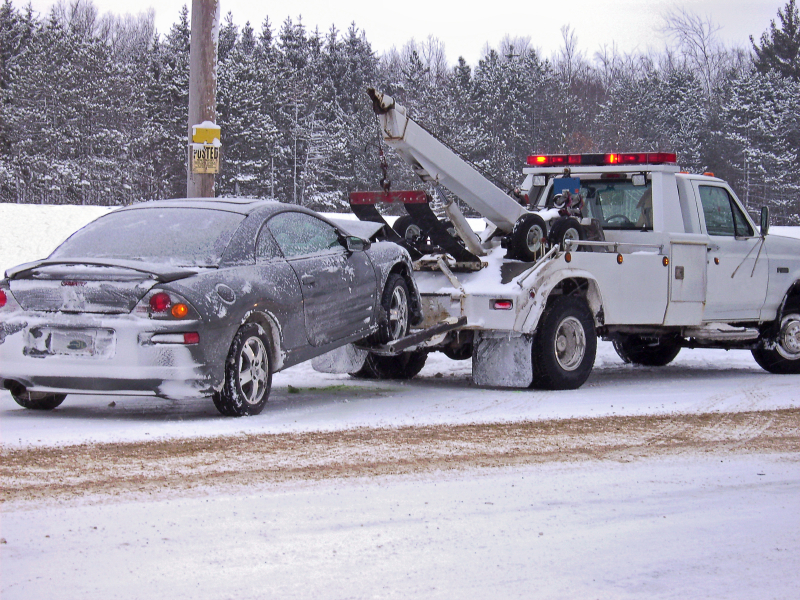 Cold temperatures are hard on vehicles. Batteries fail, tires lose pressure, and even reliable cars can end up stuck in a snowbank. A roadside assistance membership is one of the simplest and most valuable winter investments you can make.
Roadside assistance can help with:
-
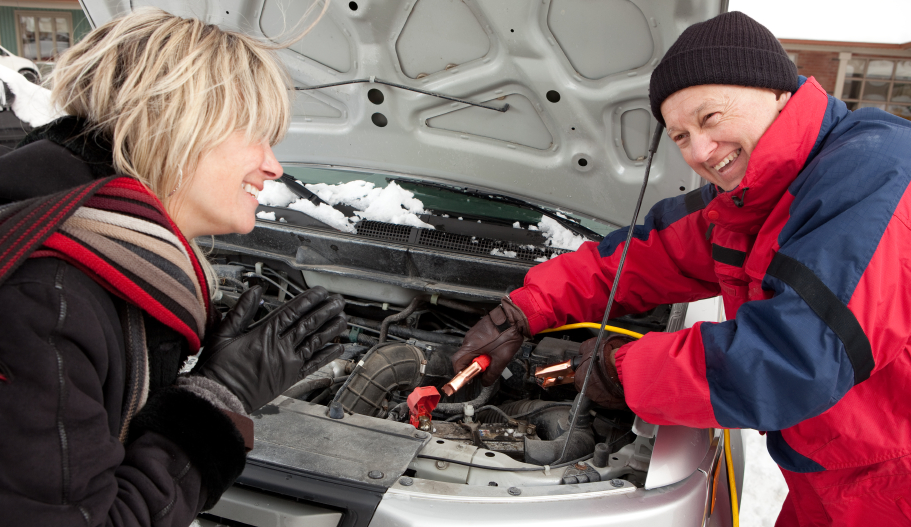
Boosting a dead battery
-
Towing a vehicle stuck in snow or a ditch
-
Flat tires or lockouts
-
Unexpected mechanical issues
Trying to free a vehicle on your own in freezing conditions is not only difficult—it can also be dangerous. Having help just a phone call away provides peace of mind when you need it most.
Build a Winter Survival Kit (Not Just a Car Kit)
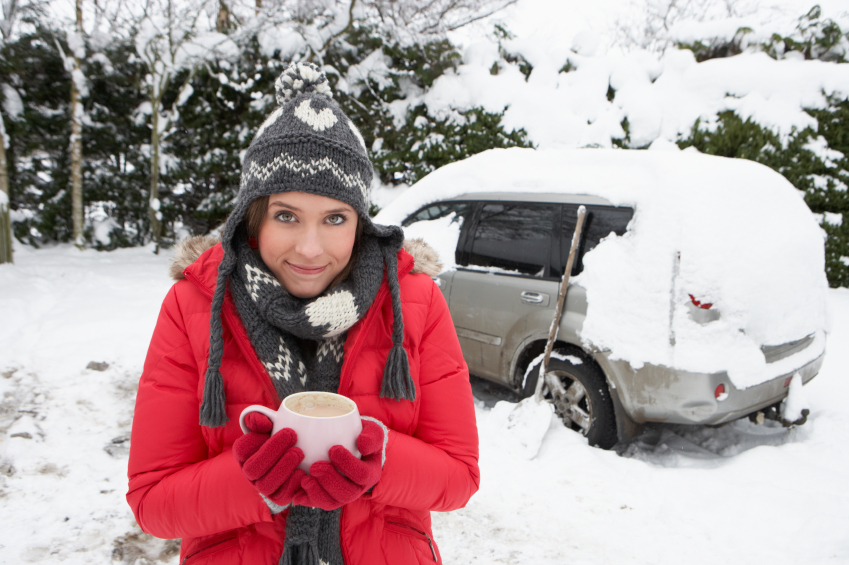 Most drivers carry basic winter tools for their vehicle, such as an ice scraper and snow brush, extra windshield washer fluid and even a small shovel.
That’s a great start—but it’s just as important to prepare for yourself, especially if you become stranded or traffic is at a standstill for hours due to an accident like seen on the 401 near Kitchener recently.
Consider keeping a personal winter survival kit in your vehicle that includes:
-
Extra gloves, socks, and a warm hat
-
Non-perishable snacks (granola bars, nuts, etc.)
-
A sealed bottle of water
-
Hand warmers
-
A candle and lighter (enclosed emergency candle options are available and designed specifically for roadside emergencies)
-
Toilet paper or tissues
-
A book, phone charger, or small flashlight
These items can help keep you warm, hydrated, and calm while you wait for assistance.
Clear All Snow and Ice from Your Vehicle
 Driving with snow piled on your vehicle isn’t just unsafe—it’s illegal in Ontario. Snow left on the roof can slide forward onto your windshield or fly off and hit other vehicles.
Before driving, clear snow and ice from:
-
All windows and mirrors
-
Headlights and tail lights
-
The roof, hood, and trunk
Give yourself extra time in the morning after overnight snowfall. As you drive, slush and road grime can quickly coat your lights, reducing visibility. If you stop for fuel, take a moment to wipe your headlights and tail lights using the squeegee—this helps others see you and improves your own visibility, especially on dark winter roads.
Brake Smarter on Slippery Roads
Modern vehicles handle braking differently than older ones, but winter still requires a more gentle approach.
-
Brake early and gradually. Slippery roads increase stopping distances dramatically.
-
Avoid pumping the brakes if your vehicle has anti-lock brakes (ABS). Most vehicles today do—press firmly and let the system do its job.
-
If your vehicle does not have ABS, use threshold braking: apply steady pressure just before the wheels lock up, then ease off slightly if they do.
On winter roads, smoothness matters. Sudden braking, acceleration, or steering can break traction on ice or packed snow, especially when changing lanes at highway speeds. Take your time and make every movement gradual.
Watch for Black Ice and Rapid Weather Changes
 Southern Ontario is especially prone to black ice, often forming early in the morning, on bridges and overpasses and also in shaded areas or near open fields.
Roads may look wet but can be dangerously slick. Slow down when temperatures hover around freezing, and increase distance to the car in front of you even if the road appears clear.
Winter driving doesn’t have to be stressful, but it does require preparation, patience, and awareness. Clearing your vehicle properly, driving smoothly, and being ready for the unexpected can help you arrive safely no matter what winter throws your way.
Winter driving safety starts long before you turn the key. Preparing your vehicle, carrying the right emergency supplies, and adjusting how you drive in snow and icy conditions can make a real difference when winter weather strikes. Taking these steps not only helps protect you and your passengers, but also other drivers and pedestrians on the road.
If you’re unsure whether your vehicle is ready for winter, the experts at Active Green + Ross can help. A seasonal inspection, tire check, or winter maintenance service can give you added confidence and peace of mind every time you drive.