Why it matters
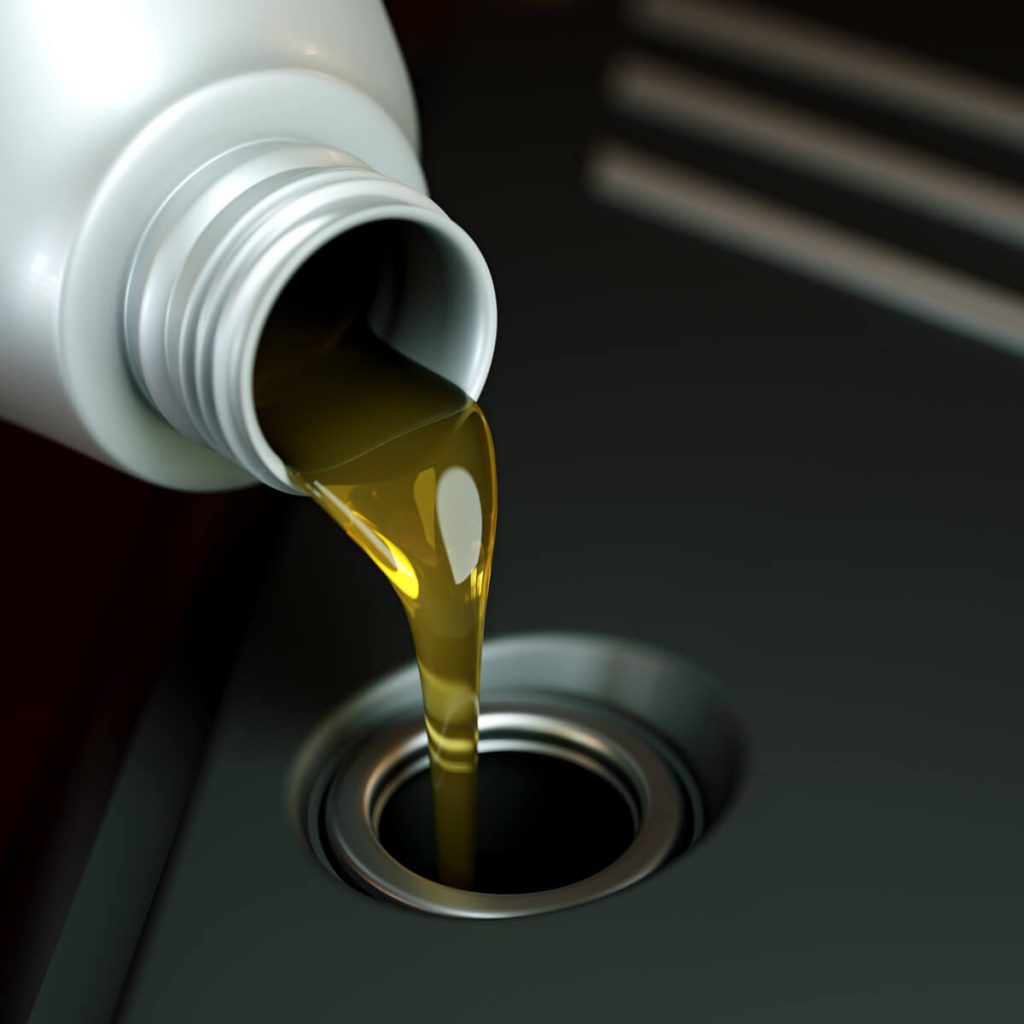
Periodic oil and filter changes help keep your engine clean on the inside. Dust, metallic shavings, condensation and even antifreeze can contaminate motor oil and additives, which break down over time, and are also subject to contamination. Other fluids in your vehicle may require periodic replacement.
For example, the majority of automatic transmission failures are heat-related, and automatic transmission fluid breaks down rapidly when subjected to high temperatures.
Your owner’s manual may specify periodic flushing and filling of the brake hydraulic system because contaminated brake fluid may lead to corrosion and other problems in the hydraulic system, especially on vehicles with anti-lock brakes (ABS).
What we check
- Oil level should be checked regularly and changed as directed in the owner’s manual.
- Many car manufacturers recommend extended oil drain intervals.
- For automatic transmissions, brakes, power steering and axles, vehicle-specific fluids should be used.
- Coolant should be changed periodically as specified in the owner’s manual. Coolant fluid type and replacement interval schedules vary by vehicle.
- You should not have to top up your coolant, brake fluid or power steering fluid. If any of these are low, have the system inspected for leaks or other possible services.
Please refer to our vehicle maintenance chart for more details on the recommended schedule for maintenance.