
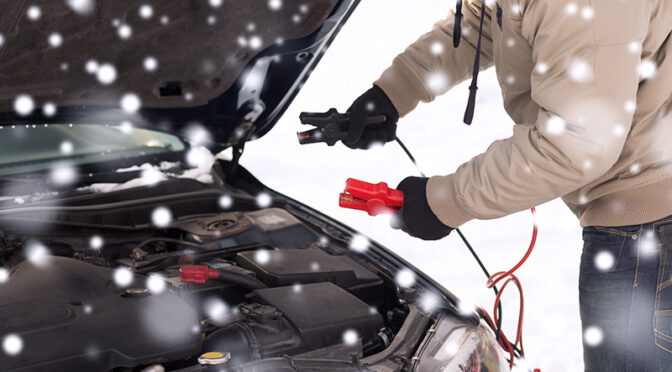
Canadian winters can be tough especially in Ontario — not just on people, but on cars too. Freezing temperatures slow the chemical reactions inside your car battery, making it harder for your engine to start. The colder it gets, the more likely a weak battery will leave you stranded. A little preparation in late fall and early winter can go a long way toward preventing breakdowns on the coldest days this winter.
Here are some useful tips to help avoid battery trouble and a roadside emergency this winter.
1. Check your battery’s health early
Even though some batteries can last many years, most begin to lose reliability after 3–5 years. Before the really cold days arrive this winter, it’s a good idea to have a shop test your battery’s performance. They can safely check voltage, cold-cranking ability, and whether the battery is holding a charge properly. Its easy to do when you get your next oil change.
Also look for visible signs of trouble, such as:
-
White or bluish corrosion around the terminals
-
Loose battery connections
-
A swollen or misshapen battery case (can happen after extreme heat or cold)
If anything looks off, professional inspection or replacement is the safest choice to keep you rolling this winter.
2. Watch for symptoms of a weak battery
A failing battery often gives warnings before it dies. Pay attention if you notice:
-
The engine cranks slowly when starting
-
Interior lights or headlights dim when the car idles
-
A clicking sound when turning the key or pressing the start button
-
Electronics (radio, power windows, etc.) acting weaker than usual
If you experience any of these symptoms—especially on cold mornings—your battery may be close to failing.

3. Take smart preventive steps before the cold sets In
A few simple habits can help your battery survive deep-freeze temperatures:
Keep the vehicle driven regularly
Short trips don’t give the alternator enough time to recharge the battery. If possible, combine errands or take a slightly longer drive once in a while.
Limit power use when starting
Turn off the heater, defroster, and headlights before shutting down the car. That way, the next start uses less battery power.
Park wisely
If you have access to a garage, even an unheated one can help keep your battery warmer than the outdoor temperature.
Ensure your charging system is in good shape
If your alternator or serpentine belt is worn, your battery may not recharge properly. A mechanic can check this during a seasonal inspection.
Use a battery maintainer for infrequently driven vehicles
For cars that sit for long periods—like winter-stored vehicles or second cars—using a battery maintainer (a small device that keeps the battery topped up safely) can prevent winter discharge.
4. Replace early if you’re unsure it will last the winter
Ontario’s winter can expose a weak battery when it is most inconvenient. If your battery is at the end of its expected life or consistently struggles in the cold, replacing it before the cold sets in saves precious time, money, and stress.
We are here to help. Visit one of the Active Green + Ross Tire Centres to have your vehicle’s battery tested and if needed replaced.